DIY Home Self-Study Troubleshooting: Tips and Tricks for Solving Common Household Issues
Category : | Sub Category : Posted on 2024-11-05 22:25:23
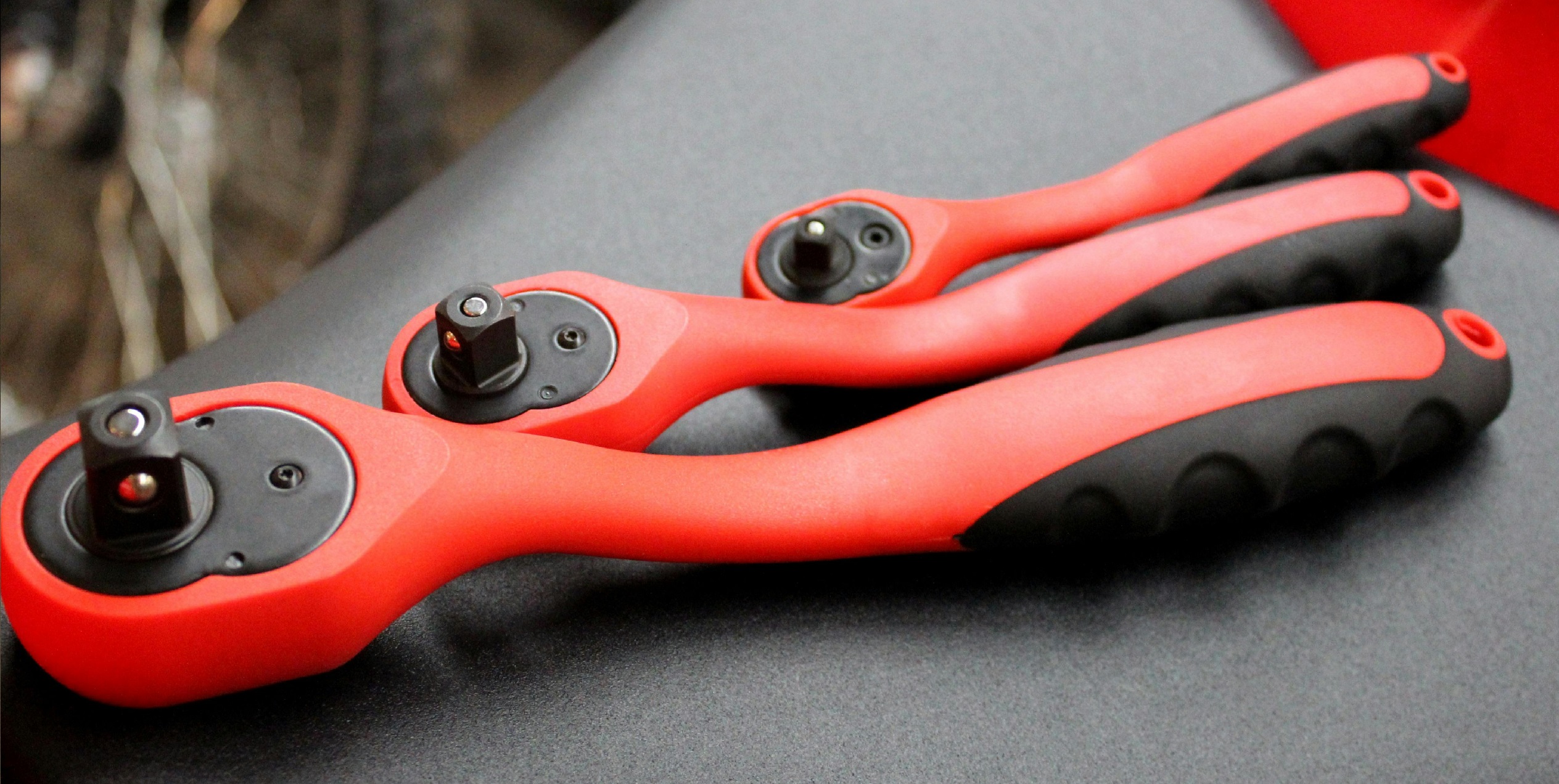
Are you tired of waiting around for a repair person to fix minor problems around your home? With some basic knowledge and the right tools, you can take matters into your own hands and become a DIY home troubleshooter. In this blog post, we will explore some tips and tricks for self-study troubleshooting common household issues. 1. Identify the Problem: The first step in troubleshooting any household issue is to identify the root cause. Is your sink clogged? Is the light bulb not working? By pinpointing the problem, you can narrow down possible solutions and avoid wasting time on unnecessary repairs. 2. Gather the Right Tools: Every DIY troubleshooter needs a basic toolkit. Make sure you have essential tools such as a screwdriver set, pliers, a wrench, a flashlight, and a multimeter. Having the right tools on hand will make it easier to tackle a variety of household problems. 3. Consult Reliable Resources: Thanks to the internet, a wealth of information is available at your fingertips. From online tutorials to repair manuals, there are plenty of resources to help you troubleshoot common household issues. Be sure to consult reliable sources to ensure you are following the correct steps. 4. Practice Safety First: When working on DIY home repairs, safety should always be your top priority. Make sure to disconnect power sources, wear protective gear such as gloves and safety goggles, and exercise caution when handling tools. If you are unsure about how to safely troubleshoot a specific problem, consider seeking professional help. 5. Start Small: If you are new to DIY home troubleshooting, start with small and simple projects. Fixing a leaky faucet, replacing a light switch, or unclogging a drain are good beginner projects that can help you build confidence and skills for more complex repairs down the line. 6. Learn from Mistakes: DIY troubleshooting is a learning process, and it's okay to make mistakes along the way. If a repair doesn't go as planned, take the opportunity to learn from the experience. Identify what went wrong, research alternative solutions, and try again. Remember, practice makes perfect! By following these tips and tricks for DIY home self-study troubleshooting, you can save time and money on minor household repairs. With a little patience and persistence, you can become a confident troubleshooter and tackle a variety of issues around your home. So roll up your sleeves, grab your toolkit, and start troubleshooting like a pro! For a different perspective, see: https://www.mimidate.com You can also Have a visit at https://www.tknl.org Dropy by for a visit at https://www.sfog.org For comprehensive coverage, check out https://www.desencadenar.com
Leave a Comment:
SEARCH
Recent News
- Vehicle-to-Grid Technology: A Sustainable Solution for Wildlife Conservation
- Vehicle-to-grid (V2G) technology is a cutting-edge innovation that allows electric vehicles (EVs) to not only consume electricity but also to feed power back into the grid when needed. This bi-directional flow of energy has the potential to revolutionize the way we use and distribute electricity, making the grid more flexible and efficient. In Vancouver, a city known for its commitment to sustainability and technological innovation, several startups are leading the charge in developing and implementing V2G technology.
- Vehicle-to-Grid Technology and its Implications for Vancouver's Export-Import Industry
- Vehicle-to-Grid Technology: The Future of Vancouver Business
- Vehicle-to-Grid Technology: Revolutionizing the Energy Sector
- Vehicle-to-Grid Technology: UK Government Business Support Programs
- Vehicle-to-Grid (V2G) Technology and UK Export/Import Rules
- Vehicle-to-Grid Technology: A Look at the Latest News in Tunisia
READ MORE
8 months ago Category :

Vehicle-to-Grid Technology: A Sustainable Solution for Wildlife Conservation
Read More →8 months ago Category :

Vehicle-to-grid (V2G) technology is a cutting-edge innovation that allows electric vehicles (EVs) to not only consume electricity but also to feed power back into the grid when needed. This bi-directional flow of energy has the potential to revolutionize the way we use and distribute electricity, making the grid more flexible and efficient. In Vancouver, a city known for its commitment to sustainability and technological innovation, several startups are leading the charge in developing and implementing V2G technology.
Read More →8 months ago Category :

Vehicle-to-Grid Technology and its Implications for Vancouver's Export-Import Industry
Read More →8 months ago Category :
