Are you looking to save money on home maintenance and repairs? DIY home troubleshooting could be the answer you're searching for. By tackling simple tasks yourself, you can cut down on expenses and learn valuable skills along the way. In this blog post, we'll focus on how DIY home troubleshooting can help you manage your debt and loans more effectively.
Category : | Sub Category : Posted on 2024-11-05 22:25:23
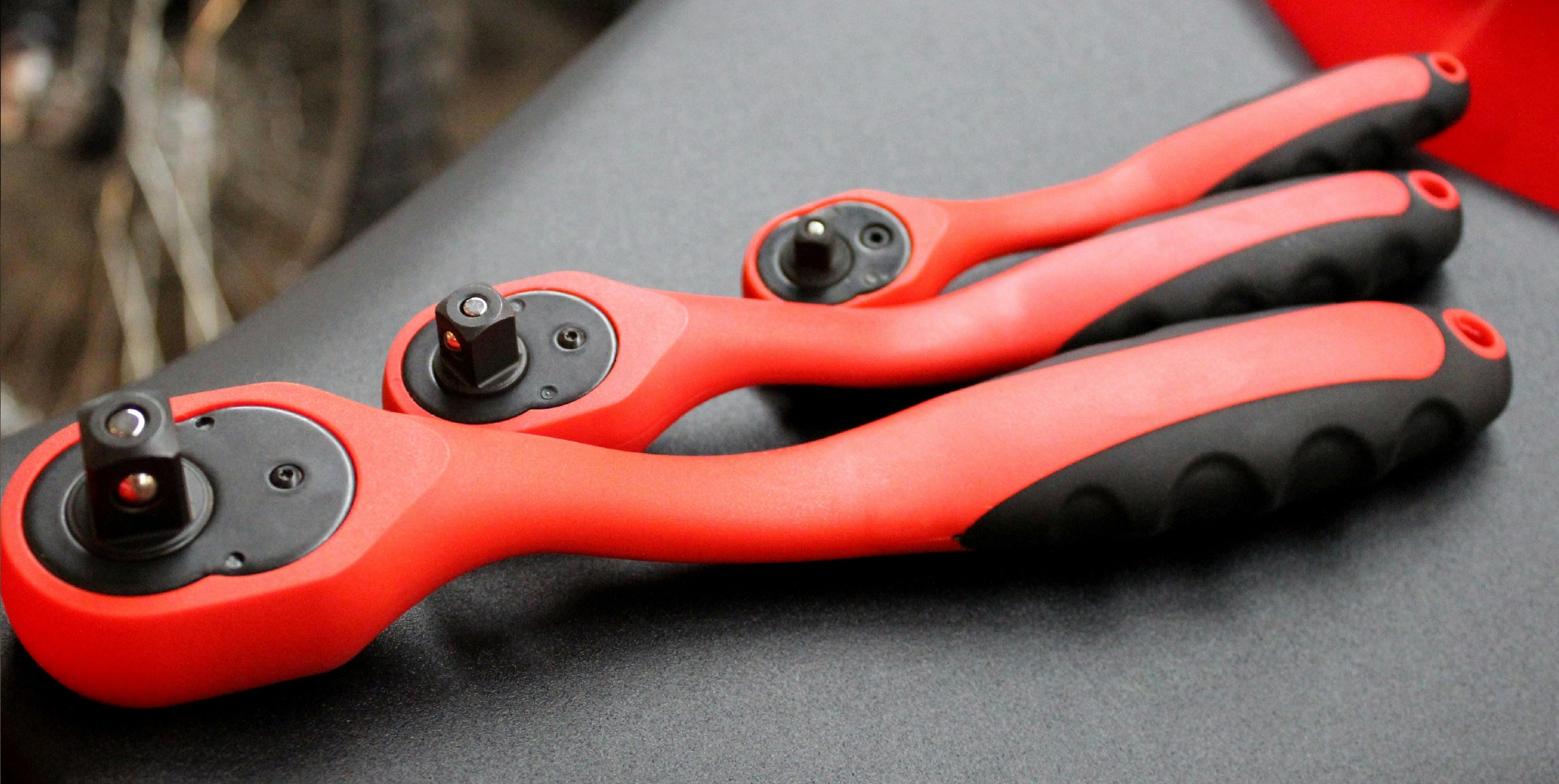
1. Identify and Fix Common Household Issues: One of the first steps in DIY home troubleshooting is to identify and fix common household issues. Whether it's a leaky faucet, a running toilet, or a drafty window, learning how to address these issues on your own can save you money on professional repairs. 2. Save on Maintenance Costs: Hiring a contractor or handyman for every minor repair can quickly add up and contribute to your debt. By taking the initiative to troubleshoot and fix small issues yourself, you can save on maintenance costs and free up funds to pay off loans or credit card debt. 3. Invest in Quality Tools: Investing in a set of quality tools is essential for successful DIY home troubleshooting. While there may be an initial cost upfront, having the right tools on hand can save you money in the long run by allowing you to handle repairs yourself instead of hiring someone else. 4. Learn New Skills: DIY home troubleshooting is a great way to learn new skills and gain confidence in your ability to tackle household projects. As you become more comfortable with fixing minor issues, you may feel inspired to take on larger projects, further saving you money on professional services. 5. Prevent Future Issues: By regularly troubleshooting and maintaining your home, you can prevent future issues from arising that could lead to costly repairs. Simple tasks like cleaning gutters, sealing windows, and checking for water leaks can help you avoid unexpected expenses and better manage your debt. In conclusion, DIY home troubleshooting can be a valuable tool in managing debt and loans by helping you save money on maintenance costs, learn new skills, and prevent future issues. By taking a proactive approach to home repairs, you can become more self-sufficient and financially savvy in maintaining your home. So roll up your sleeves, grab your tools, and start troubleshooting your way to a more debt-free future.
Leave a Comment:
SEARCH
Recent News
- Vehicle-to-Grid Technology: A Sustainable Solution for Wildlife Conservation
- Vehicle-to-grid (V2G) technology is a cutting-edge innovation that allows electric vehicles (EVs) to not only consume electricity but also to feed power back into the grid when needed. This bi-directional flow of energy has the potential to revolutionize the way we use and distribute electricity, making the grid more flexible and efficient. In Vancouver, a city known for its commitment to sustainability and technological innovation, several startups are leading the charge in developing and implementing V2G technology.
- Vehicle-to-Grid Technology and its Implications for Vancouver's Export-Import Industry
- Vehicle-to-Grid Technology: The Future of Vancouver Business
- Vehicle-to-Grid Technology: Revolutionizing the Energy Sector
- Vehicle-to-Grid Technology: UK Government Business Support Programs
- Vehicle-to-Grid (V2G) Technology and UK Export/Import Rules
- Vehicle-to-Grid Technology: A Look at the Latest News in Tunisia
READ MORE
8 months ago Category :

Vehicle-to-Grid Technology: A Sustainable Solution for Wildlife Conservation
Read More →8 months ago Category :

Vehicle-to-grid (V2G) technology is a cutting-edge innovation that allows electric vehicles (EVs) to not only consume electricity but also to feed power back into the grid when needed. This bi-directional flow of energy has the potential to revolutionize the way we use and distribute electricity, making the grid more flexible and efficient. In Vancouver, a city known for its commitment to sustainability and technological innovation, several startups are leading the charge in developing and implementing V2G technology.
Read More →8 months ago Category :

Vehicle-to-Grid Technology and its Implications for Vancouver's Export-Import Industry
Read More →8 months ago Category :
