When it comes to DIY home projects, troubleshooting is often a necessary skill to have. Whether you're dealing with a leaky faucet, a malfunctioning appliance, or an electrical issue, knowing how to identify and solve problems can save you time and money. In this blog post, we'll explore the concept of troubleshooting in the context of DIY home improvement projects.
Category : | Sub Category : Posted on 2024-11-05 22:25:23
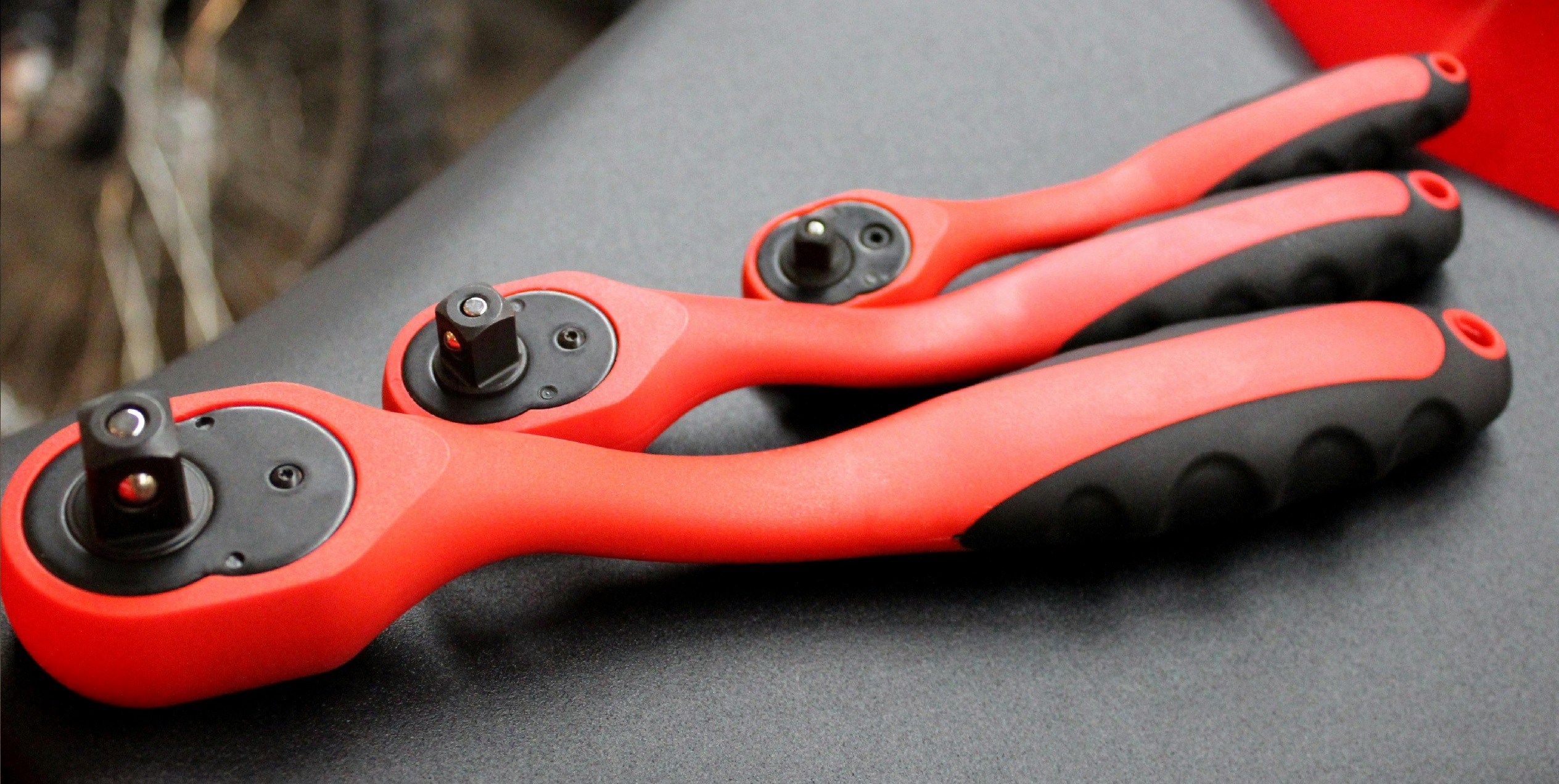
troubleshooting is essentially the process of identifying and resolving issues or problems that arise during a project. In the world of DIY home improvement, troubleshooting can range from simple fixes like tightening a loose screw to more complex repairs like diagnosing and fixing electrical problems. One of the key benefits of troubleshooting in DIY home projects is the economic impact it can have. By being able to identify and fix issues on your own, you can save money on hiring professionals to do the work for you. This not only helps to keep your project within budget but also gives you a sense of accomplishment and independence. In economic welfare theory, the concept of troubleshooting in DIY home projects can be seen as a form of self-reliance and resourcefulness. By developing the skills to troubleshoot and solve problems on your own, you are increasing your economic well-being by reducing the need to rely on costly outside help. Furthermore, troubleshooting in DIY home projects can also improve the overall efficiency of the project. By quickly identifying and addressing issues as they arise, you can prevent delays and keep the project moving forward smoothly. This can ultimately lead to a faster completion time and a more satisfying end result. In conclusion, mastering the art of troubleshooting in DIY home projects is a valuable skill that can benefit both your wallet and your overall project experience. By being proactive in identifying and solving problems on your own, you can save money, improve efficiency, and enhance your sense of accomplishment. So next time you encounter an issue with your DIY project, embrace the challenge and see it as an opportunity to showcase your troubleshooting skills!
Leave a Comment:
SEARCH
Recent News
- Vehicle-to-Grid Technology: A Sustainable Solution for Wildlife Conservation
- Vehicle-to-grid (V2G) technology is a cutting-edge innovation that allows electric vehicles (EVs) to not only consume electricity but also to feed power back into the grid when needed. This bi-directional flow of energy has the potential to revolutionize the way we use and distribute electricity, making the grid more flexible and efficient. In Vancouver, a city known for its commitment to sustainability and technological innovation, several startups are leading the charge in developing and implementing V2G technology.
- Vehicle-to-Grid Technology and its Implications for Vancouver's Export-Import Industry
- Vehicle-to-Grid Technology: The Future of Vancouver Business
- Vehicle-to-Grid Technology: Revolutionizing the Energy Sector
- Vehicle-to-Grid Technology: UK Government Business Support Programs
- Vehicle-to-Grid (V2G) Technology and UK Export/Import Rules
- Vehicle-to-Grid Technology: A Look at the Latest News in Tunisia
READ MORE
8 months ago Category :

Vehicle-to-Grid Technology: A Sustainable Solution for Wildlife Conservation
Read More →8 months ago Category :

Vehicle-to-grid (V2G) technology is a cutting-edge innovation that allows electric vehicles (EVs) to not only consume electricity but also to feed power back into the grid when needed. This bi-directional flow of energy has the potential to revolutionize the way we use and distribute electricity, making the grid more flexible and efficient. In Vancouver, a city known for its commitment to sustainability and technological innovation, several startups are leading the charge in developing and implementing V2G technology.
Read More →8 months ago Category :

Vehicle-to-Grid Technology and its Implications for Vancouver's Export-Import Industry
Read More →8 months ago Category :
