Home improvement projects are a popular way to save money and dive into DIY projects, but sometimes accidents happen. Whether you're fixing a leaky faucet or painting a room, it's essential to be prepared for potential injuries that can occur during home troubleshooting activities. Here are some common DIY home troubleshooting injuries to be aware of and how to prevent them:
Category : | Sub Category : Posted on 2024-11-05 22:25:23
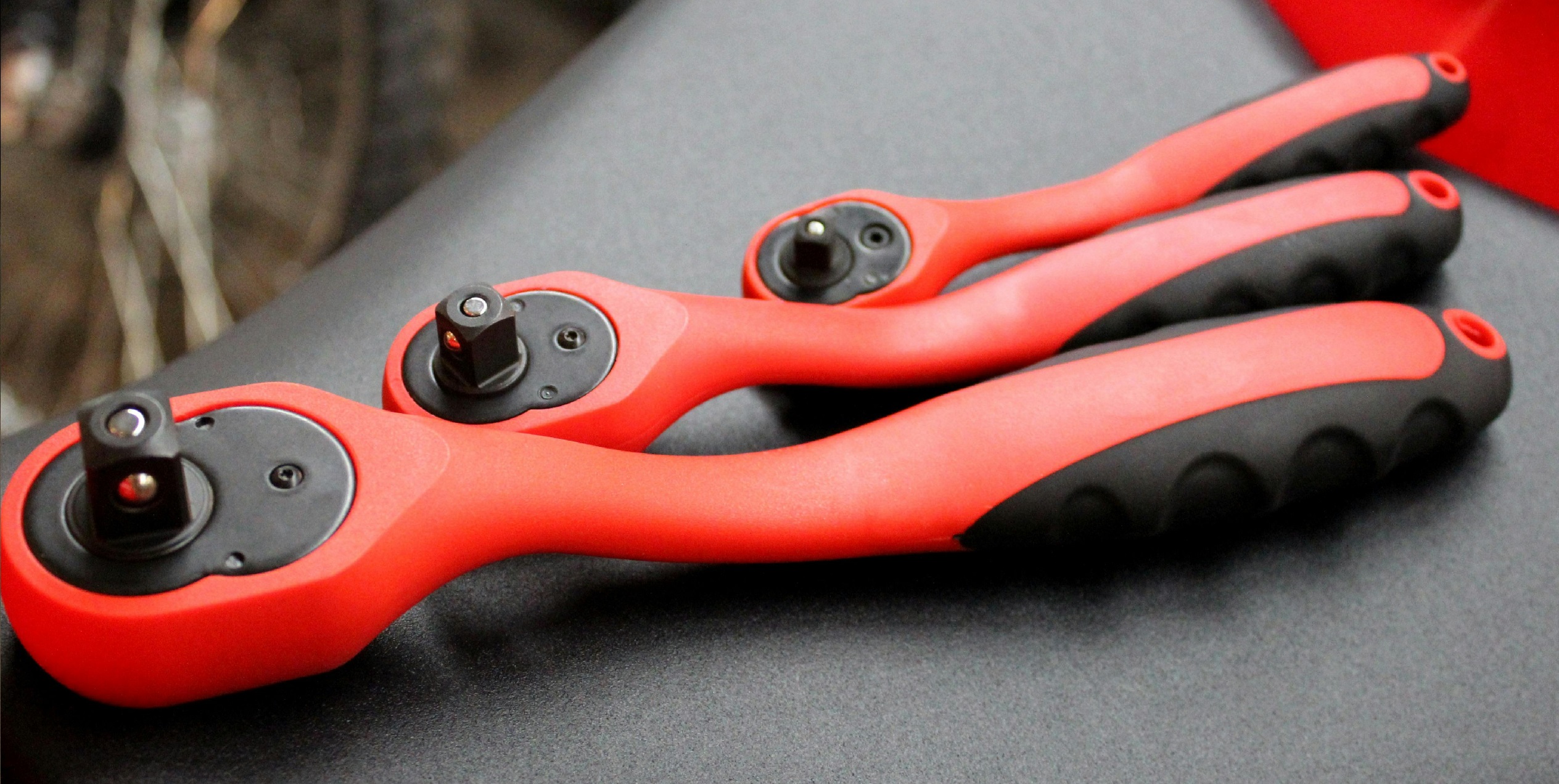
1. Cuts and lacerations: Sharp tools like knives, saws, and glass can easily cause cuts and lacerations while working on home projects. To prevent these injuries, always use the appropriate safety equipment such as cut-resistant gloves and safety goggles. Be mindful of where you place sharp objects and keep them stored away when not in use. 2. Strains and sprains: DIY projects often involve lifting heavy objects or working in awkward positions, leading to strains and sprains. To avoid these injuries, remember to use proper lifting techniques, take breaks to rest your muscles, and stretch before starting a project. Consider asking for help with heavy lifting tasks to prevent overexertion. 3. Burns: Working with hot tools like soldering irons, heat guns, or even hot glue guns can result in burns if not handled carefully. Always use heat-resistant gloves and work in a well-ventilated area to prevent burns from hot surfaces. Keep a first aid kit nearby in case of minor burns, and seek medical attention for more severe burns. 4. Eye injuries: Dust, debris, or chemicals can irritate your eyes during home troubleshooting tasks. Protect your eyes with safety goggles or glasses to prevent particles from getting into your eyes. In case of an eye injury, rinse your eyes with clean water and seek medical attention if irritation persists. 5. Falls: Working on ladders or elevated surfaces can increase the risk of falls and injuries. Make sure your equipment is in good condition before use, and always follow ladder safety guidelines. Ensure your workspace is clear of clutter and hazards to prevent tripping and falling accidents. 6. Electrical shocks: When dealing with electrical issues, there is a risk of electric shocks if safety precautions are not followed. Before working on any electrical components, make sure to turn off the power source and use insulated tools. If you are unsure about electrical work, it's best to consult a professional to avoid the risk of electric shock. In conclusion, DIY home troubleshooting can be a rewarding experience, but it's essential to prioritize safety to prevent injuries. By being aware of common risks and taking the necessary precautions, you can enjoy your home projects without putting yourself at risk. Remember, safety first! also don't miss more information at https://www.arreglar.org
Leave a Comment:
SEARCH
Recent News
- Vehicle-to-Grid Technology: A Sustainable Solution for Wildlife Conservation
- Vehicle-to-grid (V2G) technology is a cutting-edge innovation that allows electric vehicles (EVs) to not only consume electricity but also to feed power back into the grid when needed. This bi-directional flow of energy has the potential to revolutionize the way we use and distribute electricity, making the grid more flexible and efficient. In Vancouver, a city known for its commitment to sustainability and technological innovation, several startups are leading the charge in developing and implementing V2G technology.
- Vehicle-to-Grid Technology and its Implications for Vancouver's Export-Import Industry
- Vehicle-to-Grid Technology: The Future of Vancouver Business
- Vehicle-to-Grid Technology: Revolutionizing the Energy Sector
- Vehicle-to-Grid Technology: UK Government Business Support Programs
- Vehicle-to-Grid (V2G) Technology and UK Export/Import Rules
- Vehicle-to-Grid Technology: A Look at the Latest News in Tunisia
READ MORE
8 months ago Category :

Vehicle-to-Grid Technology: A Sustainable Solution for Wildlife Conservation
Read More →8 months ago Category :

Vehicle-to-grid (V2G) technology is a cutting-edge innovation that allows electric vehicles (EVs) to not only consume electricity but also to feed power back into the grid when needed. This bi-directional flow of energy has the potential to revolutionize the way we use and distribute electricity, making the grid more flexible and efficient. In Vancouver, a city known for its commitment to sustainability and technological innovation, several startups are leading the charge in developing and implementing V2G technology.
Read More →8 months ago Category :

Vehicle-to-Grid Technology and its Implications for Vancouver's Export-Import Industry
Read More →8 months ago Category :
